.svg)
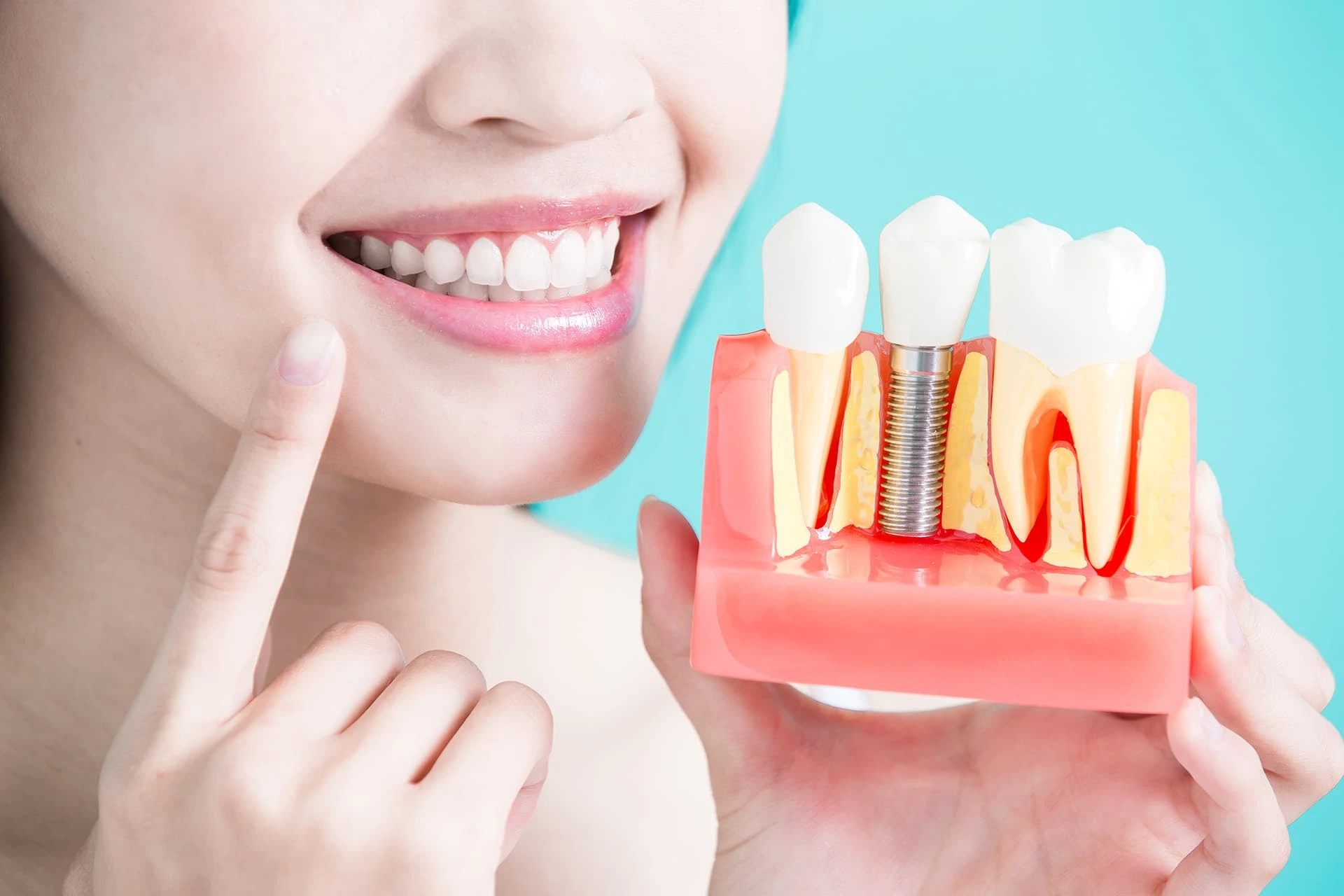
When a tooth is damaged by decay, a crack, or wear, one of the first questions patients ask is whether they need a filling or a dental crown. While both treatments restore damaged teeth, they are designed for different situations. Choosing the right option depends on the amount of healthy tooth structure remaining and the long-term strength your tooth needs.
If you're considering dental crowns in Peterborough, understanding how crowns compare to fillings can help you make an informed decision during your dental consultation.
Teeth are strong, but they are not indestructible. Everyday wear, accidents, and untreated dental problems can weaken tooth structure over time.
Some of the most common causes include:
Treating damage early helps preserve more of your natural tooth and may prevent the need for more complex procedures.
A dental filling is used to repair a tooth affected by small to moderate decay or minor damage. During the procedure, your dentist removes the decayed portion of the tooth and fills the space with a durable restorative material.
Tooth-coloured composite fillings are commonly used because they blend naturally with your smile while restoring normal function.
A filling is typically recommended when:
In many cases, fillings can be completed in a single appointment.
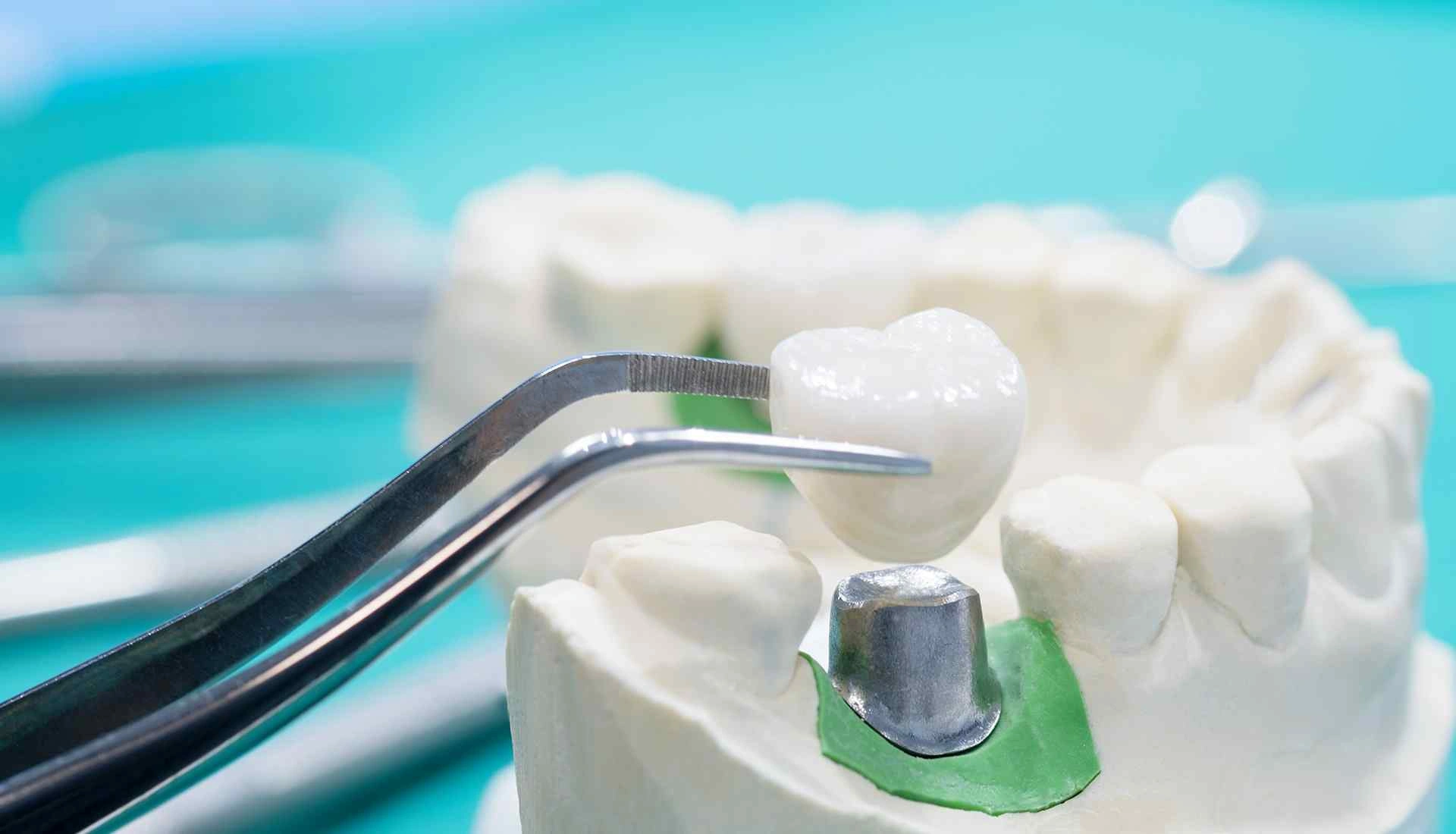
A dental crown is a custom-made restoration that completely covers the visible portion of a damaged tooth. Unlike a filling, which repairs a specific area, a crown protects and strengthens the entire tooth.
Crowns may be recommended when a tooth has:
Modern crowns are designed to match the colour and shape of your natural teeth, providing both strength and an attractive appearance.
Although both treatments restore damaged teeth, they serve different purposes.
Your dentist will evaluate the condition of your tooth before recommending the most appropriate treatment.
Every damaged tooth is different. Your dentist considers several factors before recommending a filling or a crown.
Small cavities often respond well to fillings, while larger areas of decay may require a crown for added support.
If a significant portion of the tooth has been lost, a filling may not provide enough strength to withstand normal biting forces.
Back teeth experience greater chewing pressure than front teeth. Depending on the extent of the damage, a crown may provide better long-term durability.
Teeth with multiple or large fillings are sometimes better protected with a crown to reduce the risk of future fractures.
Your dentist will recommend the treatment that offers the best balance of durability, function, and preservation of your natural tooth.
Waiting too long to repair a damaged tooth can allow the problem to worsen.
Delaying treatment may result in:
Early treatment often means simpler procedures and a greater chance of preserving your natural tooth.
Whether you receive a filling or a crown, proper oral hygiene helps extend the life of your restoration.
Maintain your smile by:
Routine care allows your dentist to monitor your restorations and identify any concerns before they become more serious.
At Lansdowne Place Dental, we believe every treatment plan should be tailored to the individual patient. Our experienced team carefully evaluates your oral health before recommending restorative treatment that supports both function and long-term durability.
Whether you require dental fillings in Peterborough for a small cavity or dental crowns in Peterborough to restore a weakened tooth, we use modern techniques and high-quality materials to provide natural-looking, long-lasting results.
Our goal is to help you preserve your natural teeth whenever possible while restoring your confidence in your smile.
Yes. Because a crown covers the entire tooth, it generally provides greater strength and protection for teeth with extensive damage.
Yes. If a tooth becomes weaker over time or develops additional damage, your dentist may recommend replacing an existing filling with a crown.
The procedure is performed using local anesthesia to keep you comfortable. Some mild sensitivity afterward is normal but usually temporary.
The lifespan varies depending on the material used, your oral hygiene, and daily habits. Regular dental visits help maximize the longevity of both restorations.
When a tooth is damaged, choosing the right treatment is essential for protecting your oral health. Fillings are often the ideal solution for smaller cavities, while crowns provide added strength for teeth with more extensive damage. An examination by your dentist is the best way to determine which option is right for your specific situation.
If you're looking for dental crowns in Peterborough or want to learn whether dental fillings in Peterborough are the right choice, the team at Lansdowne Place Dental is here to help. Schedule a consultation today to restore your smile with personalized, high-quality dental care.